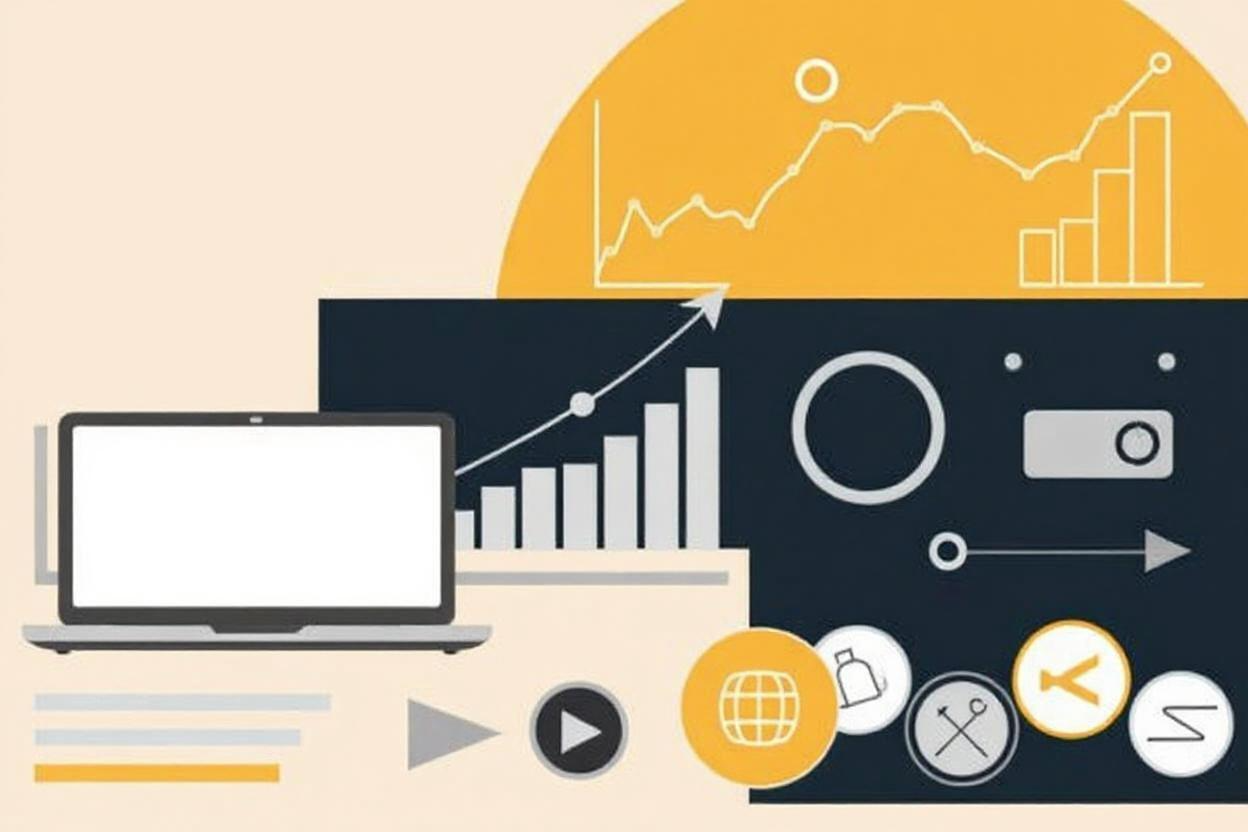
The Rise of Digital Marketing
Digital marketing uses online channels to reach and engage with customers. This includes SEO, PPC, content marketing, social media, and email campaigns. Unlike traditional methods, digital marketing enables two-way communication, allowing brands to gather feedback and adjust strategies in real-time.
Key Characteristics of Digital Marketing
- Target Audience: Allows precise targeting based on demographics, interests, and behavior.
- Measurability: Offers detailed analytics and reporting tools to evaluate performance and ROI.
- Cost-Effective: Generally lower upfront investment, with flexible pricing models like pay-per-click.
- Real-Time Feedback: Immediate performance data from web analytics and customer interactions.
Examples of Digital Marketing
- Search Engine Optimization (SEO)
- Pay-Per-Click (PPC) Advertising
- Social Media Marketing (Facebook, Instagram, LinkedIn, Twitter)
- Content Marketing (Blogs, Videos, Infographics)
- Email Marketing
- Affiliate Marketing
- Influencer Marketing
The Future of Marketing: A Hybrid Approach
Despite digital marketing’s growing dominance, traditional marketing still holds strategic value. Many successful campaigns today adopt a hybrid strategy—combining traditional and digital methods to broaden reach and improve results.
For instance, a TV ad can create wide brand awareness, while a digital follow-up campaign can drive engagement and conversions. This synergy allows businesses to make the most of both worlds.
Conclusion
The decision between traditional and digital marketing depends on your business type, audience, budget, and campaign objectives. While digital marketing offers precision and real-time data, traditional marketing provides unparalleled reach in certain demographics.
The most effective strategy is often a blend of both. By understanding the strengths and limitations of each, businesses can craft a comprehensive marketing plan that delivers lasting results.